Technology explained
Hydroponics & Controlled-Environment Agriculture
Soil-free growing systems that give precise control over water, nutrients and climate — extending what, when and how much can be grown.
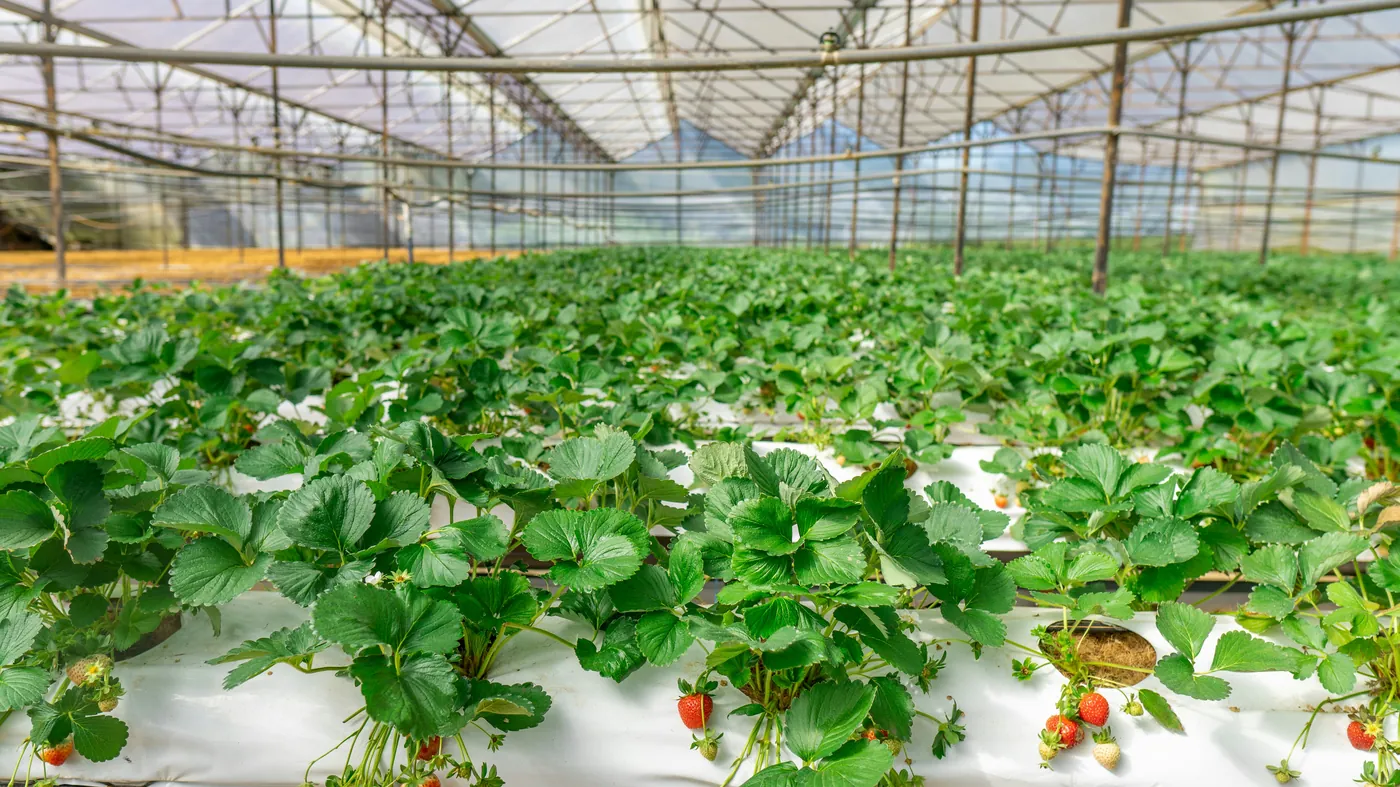
Soil-free growing systems that give precise control over water, nutrients and climate — extending what, when and how much can be grown.
Hydroponics grows plants in a nutrient-rich water solution rather than soil, often within a controlled-environment structure (greenhouse or indoor facility) where temperature, humidity and light are managed directly. Common methods include nutrient film technique (NFT), deep water culture (DWC) and drip systems.
More output per square metre than open-field growing for suited crops.
Closed-loop systems reduce water use significantly.
Production independent of outdoor weather.
Reduced soil-borne disease and pest pressure.
Best suited to high-value, space-efficient crops — salad greens, herbs, strawberries and some ornamentals — and to growers looking to diversify or extend the season.
Upfront investment and ongoing energy/climate-control costs are significant factors; suitability depends on crop choice, market and available capital.
We give independent, plain-English advice on what's proven and appropriate for your land.
Talk to us